A small roof leak doesn’t always look like a crisis. Maybe it’s a faint water stain on the ceiling, a soft spot in the drywall, or a tiny drip only during heavy rain. It’s easy to shrug and think, “I’ll deal with it later.” But in a place like Climax Springs—where storms roll through quickly, humidity creeps in, and seasonal weather swings put real pressure on your roof—small leaks don’t stay small for long.
Roof leaks spread silently. They weaken materials you can’t see, travel along rafters and insulation, and cause problems that show up weeks or months after the damage is already done. What starts as a minor nuisance can turn into a costly repair that could’ve been avoided with quick action.
Key takeaways
- Even small roof leaks spread quickly, often before homeowners notice the full extent
- Moisture intrusion leads to mold, insulation damage, structural weakening, and rising energy bills
- Repair costs grow exponentially the longer the leak is ignored
- Local conditions in Climax Springs accelerate roof deterioration
- Early fixes are always cheaper, safer, and easier to manage
Why Climax Springs Weather Makes Roof Leaks More Dangerous
In Climax Springs, weather doesn’t sit still for long. Sudden storms, heavy winds across the lake, and periods of high humidity push your roofing system to its limits. A leak that might take months to grow in a milder climate can spread much faster here.
Moisture finds its way:
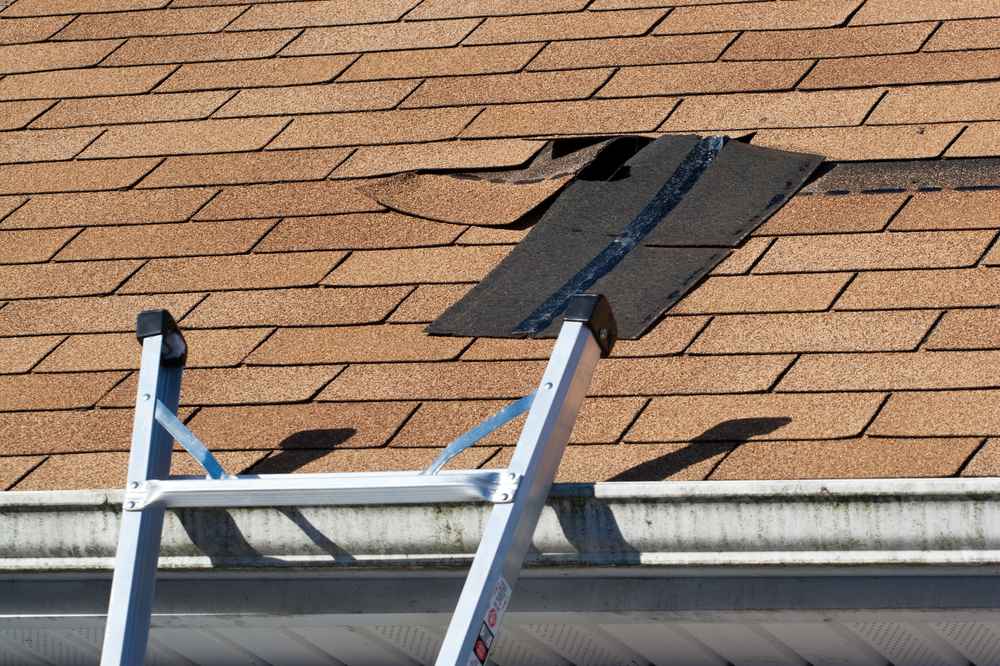
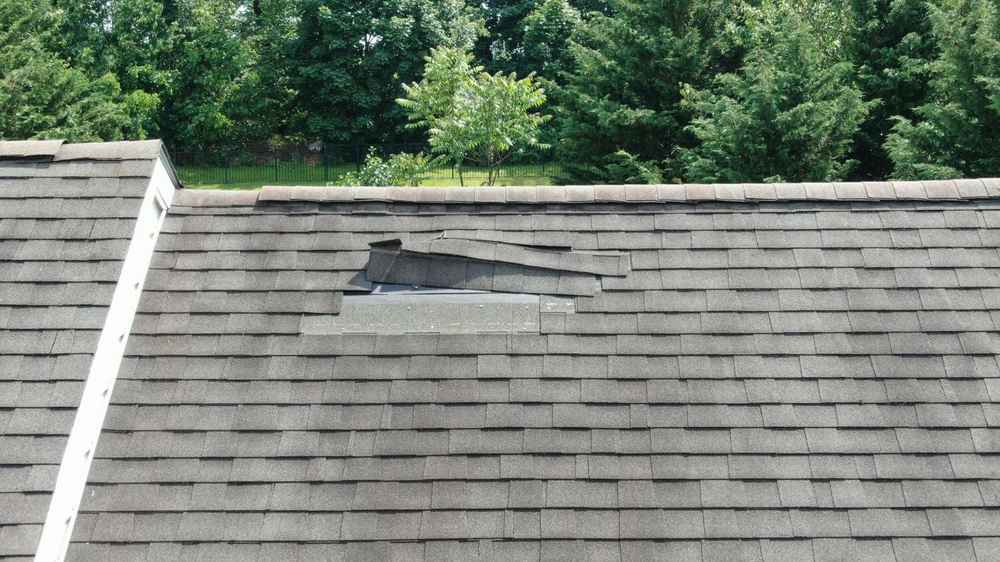
- Under shingles loosened by wind
- Into attic insulation affected by humidity
- Through small cracks caused by temperature swings
- Across roof decking weakened by repeated storms
Once water enters your roofing system, it never stays where you first see it. It spreads along wood grain, runs behind walls, and collects in hidden pockets—deteriorating materials long before you know something is wrong.
The Hidden Chain Reaction Caused by a Small Roof Leak
Roof leaks don’t limit themselves to one problem. They create a domino effect of issues that escalate with every rainfall.
Moisture damage that spreads quietly
A tiny leak can saturate insulation, weaken wood framing, and seep between layers of roofing material. The damage becomes more extensive the longer water sits unnoticed.
Mold and mildew growth
Mold thrives in dark, damp, hidden spaces—attics, between drywall panels, behind insulation. Leaks create the perfect environment, and mold doesn’t just damage materials; it affects indoor air quality.
Higher utility bills
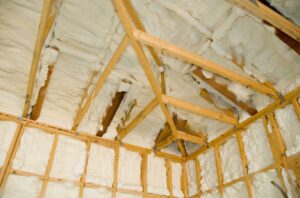
Wet insulation loses its effectiveness. Your HVAC system runs longer to compensate, increasing monthly energy costs for as long as insulation stays damp.
Weakened structural components
Saturated rafters, roof decking, and trusses lose their strength over time. What begins as a minor drip can eventually compromise the structure supporting your roof.
Damage to interior finishes
Stains on ceilings and walls are the first clue many homeowners notice. By the time the stain appears, moisture has already traveled much farther inside the home.
Financial Risks: How a Small Leak Turns into a Big Expense
Homeowners often underestimate the financial impact of delaying leak repairs. The longer water intrusion continues, the more expensive the repairs become.
Here’s what ignoring a leak typically leads to:
- Replacing damaged insulation
- Repairing or replacing roof decking
- Repainting ceilings and walls
- Removing mold-infested drywall
- Fixing structural components
- Installing new shingles or underlayment
Those repairs add up quickly. What might have been a simple, inexpensive fix becomes a major project—and in severe cases, a full roof replacement.
Warning Signs Your Small Leak Isn’t So Small
By the time water becomes visible inside your home, the leak has usually existed for some time. Watching for early warning signs helps prevent larger problems.
Common indicators include:
- Water stains on ceilings or walls
- A musty smell in part of the home
- Damp or sagging drywall
- Peeling paint or bubbling surfaces
- Discolored roof decking in the attic
- Rust on nails, vents, or metal components
- Dripping sounds during or after storms
Even if the signs seem mild, they point to bigger issues behind the scenes.
Why DIY Fixes Don’t Solve the Real Problem
It’s tempting to climb up and apply a little sealant or patch a shingle yourself. But roof leaks are rarely as simple as they look.
DIY solutions often:
- Cover the symptom but not the cause
- Miss hidden moisture inside the roof structure
- Fail under the next heavy rain or temperature shift
- Void roofing warranties
Professional roofers know how to locate the true source of a leak—even if it’s several feet away from where you see the damage. They identify underlying issues that homeowners can’t see without specialized training.
What Happens During a Professional Leak Inspection
A proper inspection checks every area water can travel, not just the visible leak.
A comprehensive inspection includes:
- Exterior roof assessment for missing shingles, damaged flashing, or worn underlayment
- Attic inspection for moisture, mold, or insulation damage
- Evaluation of roof ventilation
- Checking roof decking for soft spots or discoloration
- Infrared or moisture-meter testing when needed
This level of detail ensures a complete fix—not a temporary, surface-level patch.
The Long-Term Benefits of Fixing a Leak Early
Homeowners in Climax Springs who address leaks quickly enjoy long-lasting rewards.
Long-term benefits include:
- Lower repair costs
- Protection of structural integrity
- Better indoor air quality
- Lower energy bills
- A longer lifespan for the entire roofing system
- Improved home safety and comfort
Fixing a leak early isn’t just a repair—it’s an investment in your home’s future.
What Homeowners in Climax Springs Are Asking
How fast can a small roof leak spread?
Moisture spreads quickly along insulation, wood fibers, and hidden cavities. A leak can become a widespread issue in just a few weeks.
Can a small leak really cause structural damage?
Yes. Persistent moisture weakens rafters, decking, and trusses, which support the weight of your entire roof.
Will my insurance cover damage from a leak?
Insurance often covers sudden damage, but not problems caused by long-term neglect. That’s why addressing leaks early is essential.
How do I know if my attic insulation is wet?
Signs include musty odors, uneven temperatures in your home, higher utility bills, or visible dampness during an attic inspection.
Is it cheaper to repair a leak in fall or spring?
Fall and spring offer mild weather, but earlier is always cheaper. Delaying repairs increases the cost regardless of the season.
Protect Your Home Before the Damage Grows
A small leak may not look like much, but it affects the safety, comfort, and value of your home faster than most homeowners expect. Climax Springs weather only speeds up the damage, turning a simple fix into a costly restoration project. Addressing leaks early helps you avoid mold, structural issues, and skyrocketing repair bills.
When You’re Ready to Stop the Drip for Good, We’re Here to Help
If you’ve spotted a leak—or even suspect one—it’s time to call Robinson Roofing KC in Climax Springs. Our team provides thorough inspections, honest assessments, and repairs built to last. We’re here to protect your home before small problems become expensive emergencies.
Repair it now, protect your home tomorrow—and keep your roof strong through every season Missouri brings.