After a hailstorm or high wind event rolls through the Kansas City metro, one of the first questions homeowners ask is whether their insurance will cover the damage, and how to actually go about filing a claim. The process is more manageable than it looks once you understand the steps and what your insurer expects to see. Getting it right protects both your home and your payout.
Key Takeaways
- Document storm damage as soon as it is safe to do so, with photos and the date of the storm.
- Most Kansas City homeowner policies cover sudden storm damage from hail, wind, and falling debris, but not gradual wear.
- Understanding whether your policy pays on an ACV or RCV basis changes what you should expect from a payout.
- A professional inspection and clear documentation give your claim its best chance of a smooth approval.
When Storm Damage Is Worth a Claim
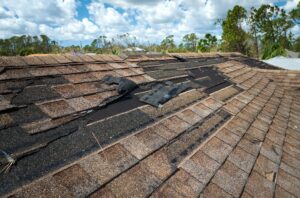
Not every storm leaves damage worth filing over, and it is worth knowing the difference before you call your insurer. The Kansas City area sees regular hail and straight-line wind through spring and summer, and the damage is not always obvious from the ground. Bruised shingle mat, granule loss, lifted flashing, and small cracks can all let water in over time even when the roof looks fine from the driveway. A professional storm damage inspection tells you whether the damage rises to the level of a claim or is minor enough to simply monitor.
Timing matters too. Most policies expect claims to be filed within a reasonable window after the storm that caused the damage, so waiting months can complicate things, especially if new weather makes it harder to tie the damage to a specific event.
Step One: Document Everything Safely
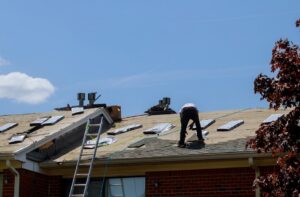
Once the storm has passed and it is safe, photograph what you can see from the ground: missing shingles, debris in the yard, dented gutters, and any interior signs like water stains on ceilings. Note the date of the storm. Do not climb onto the roof yourself, since storm-damaged decking can hide soft spots that are dangerous to walk on. The most useful roof-level documentation comes from a professional who knows what adjusters look for.
Step Two: Understand Your Coverage
Kansas City homeowner policies generally distinguish between sudden, storm-related damage and gradual deterioration from age or neglect. Storm damage from hail, wind, and falling debris is typically covered, while a roof that simply wore out over time usually is not. Two more terms shape your payout:
Actual Cash Value (ACV)
An ACV policy pays out based on your roof’s depreciated value at the time of the storm, factoring in its age. That means older roofs receive a smaller payout even when the repair cost is the same.
Replacement Cost Value (RCV)
An RCV policy covers the full cost to replace the damaged sections, sometimes releasing part of the payout only after the work is completed. Knowing which type you carry before you file sets realistic expectations for what you will receive.
Step Three: File and Work With Your Adjuster
When you file, your insurer assigns an adjuster to inspect the damage and estimate the cost. This is where documentation pays off. A written damage assessment and clear photos give the adjuster what they need and reduce back-and-forth. It is often helpful to have your roofing contractor on-site during the adjuster’s visit so both parties are looking at the same damage and reaching the same conclusions. That single step can prevent a lot of disputes over what is and is not storm-related.
Step Four: Repair or Replace
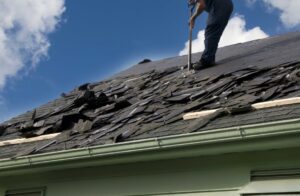
Once the claim is approved, the scope of the payout guides whether you are looking at a targeted repair or a full roof replacement. A reputable contractor completes the approved work to code, provides documentation for any depreciation holdback your RCV policy releases after completion, and stands behind the workmanship. This is also a good moment to consider impact-resistant materials, which can reduce future hail damage and may lower your premium.
Common Mistakes to Avoid
- Waiting too long to file. Delays make it harder to tie damage to a specific storm and can run past your policy’s filing window.
- Signing with a storm-chasing crew. Out-of-town contractors who appear after a hailstorm often disappear before warranty questions arise. A local contractor is accountable long after the check clears.
- Assuming all damage is visible. Some of the most important hail damage is invisible from the ground, which is exactly why a professional inspection matters.
Working with a contractor who handles claims regularly and knows the Kansas City storm season makes the whole process smoother. If a recent storm has you unsure where you stand, our team can help you understand your options as part of our full residential roofing services.
How Your Deductible Affects the Claim
Before you file, it is worth understanding how your deductible shapes the decision. Your homeowner policy has a deductible, sometimes a flat dollar amount and sometimes a percentage of your home’s insured value, that you pay before coverage kicks in. If the storm damage repair costs less than your deductible, filing a claim will not result in a payout and may not be worth the record of a claim on your history. If the damage is significant and clearly exceeds the deductible, filing usually makes sense. A professional inspection helps you make this call with real numbers instead of a guess, because you will know the likely repair scope before you contact your insurer.
Do You Have to Use the Insurer’s Recommended Contractor?
A common misconception is that you must hire whichever contractor your insurance company suggests. In Kansas City, as elsewhere, you have the right to choose your own roofing contractor. The insurer’s estimate sets the scope of what they will pay for, but the choice of who does the work is yours. This matters because a local contractor who knows the area and stands behind the workmanship is often a better long-term choice than an unfamiliar name from a referral list. A good contractor will also review the insurance estimate with you and flag anything that appears to have been missed, which can be the difference between a repair that fully restores your roof and one that leaves gaps.
What to Expect After the Claim Is Approved
Once your claim is approved, the work moves forward in a predictable rhythm. Your contractor schedules the job around weather and material availability, protects your landscaping and exterior during the tear-off and installation, and completes the approved scope to code. For an RCV policy, there is often a depreciation holdback that your insurer releases only after the work is finished and documented, so keeping the paperwork and final invoice is important. A thorough contractor provides that documentation as a matter of course. When the job wraps, a final walkthrough confirms the work met the standard before the project is considered complete.
Frequently Asked Questions
Does homeowner’s insurance cover roof storm damage in Kansas City?
Most policies cover sudden storm damage from hail, wind, and falling debris, though the specific coverage and deductible vary by policy. Gradual wear and tear from age is generally not covered.
How long do I have to file a roof storm damage claim?
Filing windows vary by insurer, but sooner is better. Waiting months can make it harder to connect the damage to a specific storm, so it is best to document and file promptly after a significant weather event.
What is the difference between ACV and RCV coverage?
ACV pays out based on your roof’s depreciated value at the time of the storm, while RCV covers the full replacement cost, sometimes releasing part of the payout after the work is finished. Knowing which type you carry sets expectations for your payout.
Should my roofing contractor meet with the insurance adjuster?
It often helps. Having your contractor on-site during the adjuster’s visit means both are looking at the same damage, which reduces disputes over what is storm-related and can smooth out the approval.
If your Kansas City home took a hit this storm season, schedule your free inspection online and we will document the damage and walk you through your options before you file.