Winters in Columbia, Missouri, bring a mix of freezing temperatures, snow, ice, and rapid weather swings. While most homeowners focus on shingles and exterior materials, what’s happening inside your attic often plays a much bigger role in how your roof holds up through the season. Proper attic ventilation is one of the most overlooked factors in winter roof performance, and one of the most important.
At Robinson Roofing KC, we routinely see winter roof problems that trace back to poor airflow rather than faulty materials. Understanding how attic ventilation works and how it protects your home can help you avoid costly repairs during Missouri’s toughest months.
Why Attic Ventilation Matters More in Missouri Winters
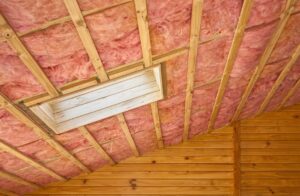
Your attic acts as a buffer between your living space and the outside elements. During winter, warm air from inside your home naturally rises into the attic. If that heat has nowhere to escape, it creates a chain reaction that can damage your roof.
In Columbia’s cold winters, inadequate attic ventilation can lead to:
- Ice dam formation along the roof edges
- Accelerated shingle wear
- Hidden moisture buildup
- Structural stress from freeze-and-thaw cycles
Ventilation allows cold outside air to flow in through intake vents and warm, moist air to exit through exhaust vents. This balance keeps attic temperatures closer to the outdoor temperature, which is exactly what your roof needs in winter.
How Poor Ventilation Leads to Ice Dams
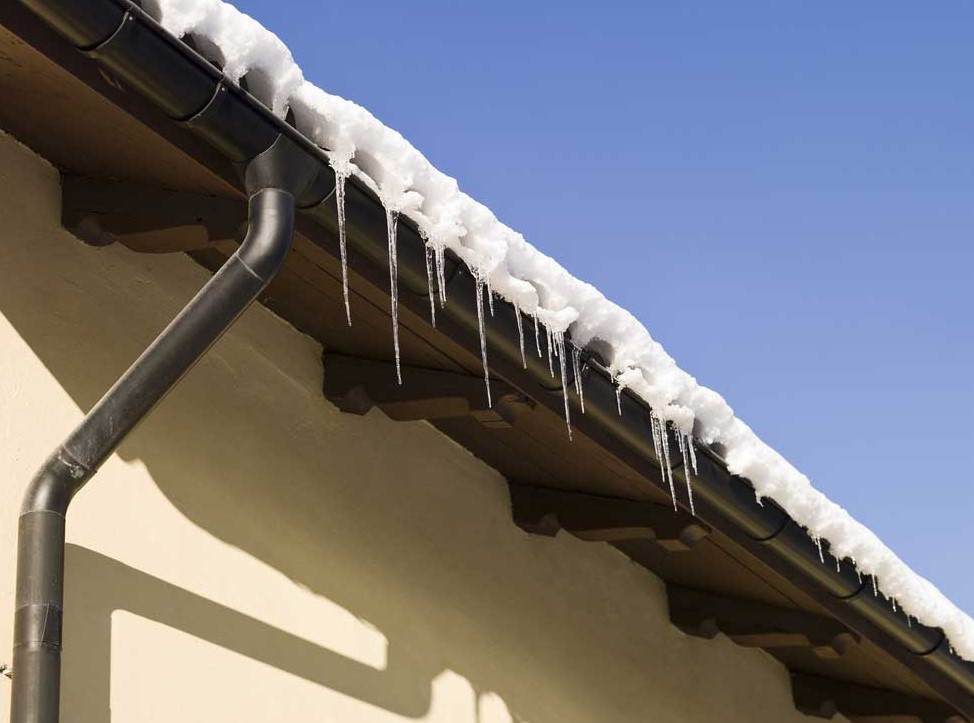
Ice dams are one of the most common winter roofing issues we see in Columbia. They form when heat trapped in the attic melts snow on the roof. That melted snow flows down toward the colder eaves, refreezes, and creates a dam that traps water behind it.
Once water is trapped, it can:
- Back up under shingles
- Leak into ceilings and walls
- Damage insulation and decking
- Cause interior mold growth
Even high-quality asphalt, metal, slate, or tile roofs can experience ice dam damage if attic ventilation is insufficient.
Moisture: The Silent Winter Roof Threat
Winter moisture problems aren’t always obvious. Warm air escaping into an under-ventilated attic carries moisture from daily activities like cooking, showering, and laundry. When that moisture hits cold attic surfaces, it condenses.
Over time, this can lead to:
- Wet insulation that loses effectiveness
- Wood rot in the rafters and roof decking
- Mold growth in hidden areas
- Reduced roof lifespan
Proper ventilation works alongside insulation to move moisture out before it becomes a problem.
Attic Ventilation and Shingle Performance
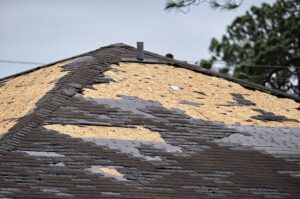
Shingles are designed to perform within a specific temperature range. When attic heat builds up in winter, shingles can experience uneven thermal stress. This contributes to cracking, curling, and premature aging, especially during Missouri’s frequent freeze-thaw cycles.
Balanced ventilation helps:
- Maintain consistent roof temperatures
- Reduce expansion and contraction stress
- Extend the life of roofing materials
- Protect manufacturer warranties
Whether your home has asphalt shingles or specialty materials like metal or slate, airflow directly affects long-term performance.
Signs Your Attic Ventilation May Be Inadequate
Many homeowners don’t realize there’s a ventilation issue until damage appears. Some warning signs include:
- Icicles forming along the roof edges
- Uneven snow melt on the roof
- Frost buildup in the attic
- Cold drafts or inconsistent indoor temperatures
- High heating bills during winter
If you notice these issues, your attic ventilation system may need professional evaluation.
Winter Storms Make Ventilation Even More Critical
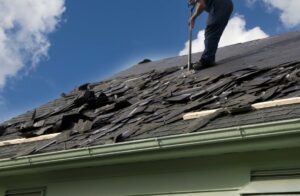
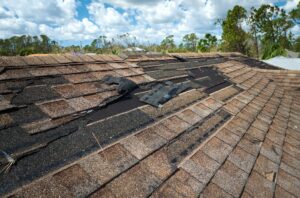
Columbia winters don’t just bring cold, they bring storms. Snow, ice, wind, and hail can all exploit weaknesses in a poorly ventilated roofing system. When moisture becomes trapped and temperatures fluctuate, minor storm damage can quickly escalate into major repairs.
That’s why Robinson Roofing KC provides:
- Storm damage roof repairs
- Emergency roof tarping
- Insurance claims assistance
- Repairs for hail, wind, tornado, snow, and ice damage
Ventilation plays a key role in how well your roof weathers these events and recovers afterward.
Professional Ventilation Assessments Matter
Attic ventilation isn’t one-size-fits-all. Roof design, insulation levels, home layout, and existing vent placement all affect airflow. Adding vents incorrectly can actually make problems worse.
Our team evaluates:
- Intake-to-exhaust vent balance
- Insulation condition and placement
- Air leaks from living spaces
- Roof structure and slope
By addressing ventilation as part of the whole roofing system, we help Columbia homeowners prevent winter damage before it starts.
A Smarter Way to Protect Your Roof This Winter
At Robinson Roofing KC, we believe great roofing starts with clear communication and honest solutions. As a locally owned and operated company, we treat every home like it’s our own, keeping you informed, answering every call, and delivering work you can trust.
If you’re concerned about how your attic ventilation is affecting your roof this winter, now is the time to act. A proactive inspection can save you from emergency repairs when temperatures drop.
Contact Robinson Roofing KC today to schedule a professional roof and attic evaluation and make sure your home is ready for Columbia, MO winters.