When a strong storm rolls through Lenexa, the first thing most homeowners want to know is simple: Is my home okay? Kansas weather can bring hail, powerful winds, heavy rain, snow, ice, and even tornadoes. Sometimes roof damage is obvious. Other times, the signs are much harder to spot.
Knowing what to document after a storm can make the next few days a lot easier. Good documentation gives you a record of what happened and can be helpful if you need professional repairs or decide to file an insurance claim. At Robinson Roofing KC, we believe homeowners should understand what is happening with their roof without feeling overwhelmed by the process. Here is where we recommend starting.
Start With the Storm Itself
Before you start looking for roof damage, write down when the storm happened. Note the approximate date and time, along with the type of weather you experienced.
Was there hail? Strong wind? Heavy rain? Did branches or other debris hit your property?
You can also save weather alerts, hail reports, or photos showing the conditions around your home. These details create a basic timeline of the event.
Keep everything together in one folder on your phone or computer. That way, you are not searching through texts and photos later when you need the information.
Photograph What You Can See Safely
Once the storm has passed and conditions are safe, walk around your property. Take clear photos and videos from the ground.
Look for shingles or roofing materials in the yard. Photograph fallen branches and debris. Check gutters and downspouts for visible dents or damage. If you notice shingles that appear lifted, missing, cracked, or displaced, take pictures from a safe location.
You should also document damage to other areas of the property. Hail can leave marks on siding, gutters, window screens, outdoor equipment, and other exterior surfaces.
You do not need to climb onto your roof to get useful documentation. In fact, we recommend leaving the up-close roof inspection to an experienced roofing professional. Storm-damaged roofing can be slippery, loose, or unstable.
Check Inside Your Home, Too
Roof damage does not always announce itself with a missing shingle.
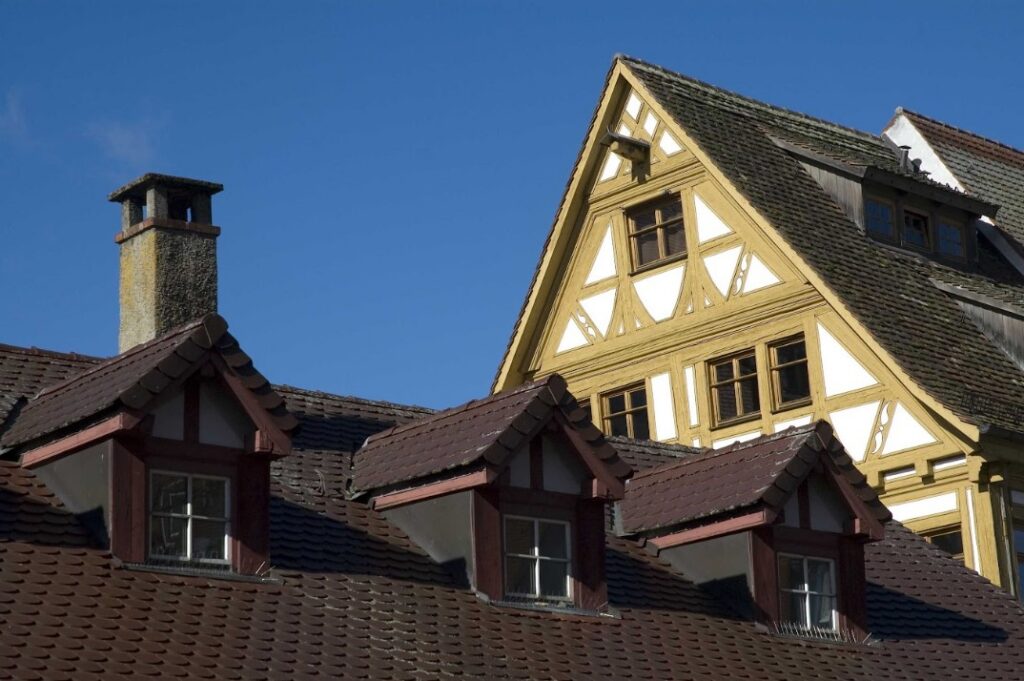
After a major Lenexa storm, check ceilings and walls for water stains, discoloration, bubbling paint, or new moisture. Look around attic spaces if they are safely accessible. Pay attention to areas near vents, chimneys, and other roof penetrations.
If you find active leaking, take photos and videos before cleaning up, as long as doing so will not cause additional damage.
Then focus on protecting your home. A small opening can allow significant water intrusion during another round of rain.
Robinson Roofing KC provides roof tarping and storm damage roof repairs when homeowners need help securing a damaged roofing system.
Keep a Record of Damage and Repairs
Photos are important, but written notes can be just as useful.
Create a simple list of everything you notice after the storm. Include where the damage is located and when you first saw it. If conditions change, continue documenting them.
Keep copies of roofing inspection information, repair records, invoices, and relevant communication regarding the damage. If temporary work is necessary to protect your home, save those records as well.
This can be particularly useful if you choose to make an insurance claim. Robinson Roofing KC offers insurance claims assistance, helping homeowners navigate the roofing side of the process. Your insurance carrier ultimately determines what is covered under your individual policy, so it is important to review your policy and communicate directly with your insurer about coverage and claim requirements.
Have the Roof Professionally Inspected
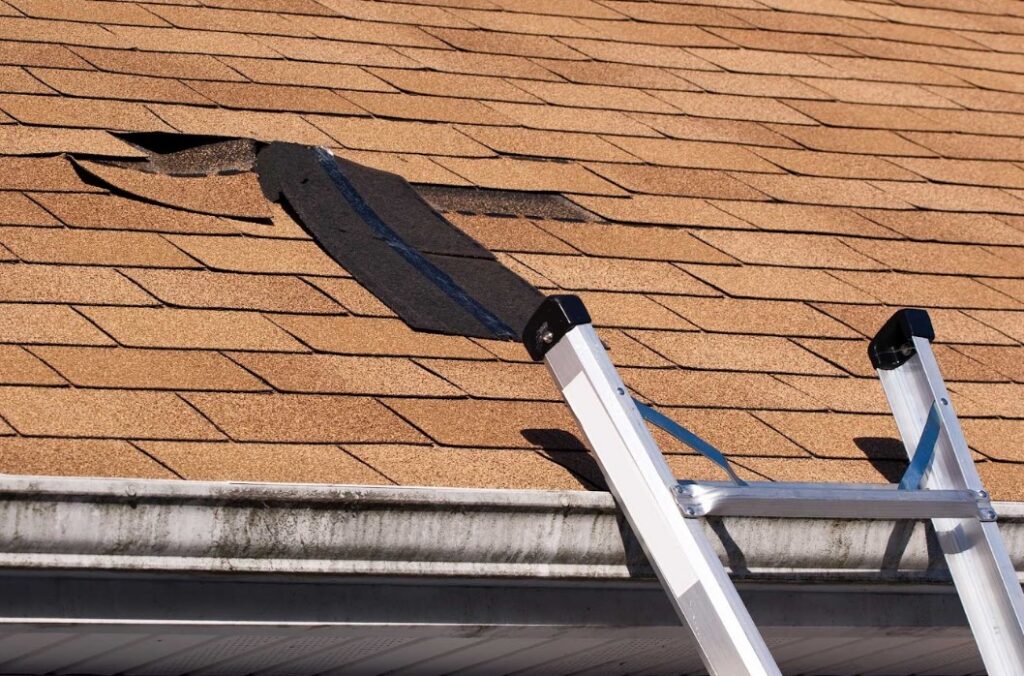
One of the biggest challenges with storm damage is that you may not be able to see it from your driveway.
Hail can damage asphalt shingles without knocking them off the roof. Wind can lift or loosen roofing materials. Flashing and other vulnerable areas can also be affected.
That is why a professional inspection can be valuable after a significant storm.
Our team can evaluate the condition of your roofing system and explain what we find in straightforward terms. Depending on the extent of the damage, the right solution could involve targeted storm damage repairs or a larger roofing project.
We work with asphalt, metal, slate, and tile roofing systems. For asphalt roofs, our options include three-tab, architectural, premium, and impact-resistant shingles. We also work with several metal roofing materials and systems, as well as natural and synthetic slate and concrete and synthetic tile.
Do Not Assume Storm Damage Means a Full Replacement
Finding damage after a storm does not automatically mean you need a brand-new roof.
Sometimes repairs are enough. Other times, widespread or severe damage may make replacement the more practical option. The important thing is understanding the actual condition of the roof before making that decision.
For some cost perspective, an average roof repair for our customers is around $5,000, while a typical shingle roof replacement is around $15,000. Actual pricing depends on factors such as roof size, material, design, accessibility, and the extent of the damage.
We would rather help you understand your options than leave you guessing about what your home needs.
Clear Guidance After a Lenexa Storm
Storm damage is stressful enough without confusing communication on top of it.
Robinson Roofing KC is locally owned and operated, and we built our approach around communication, family, and integrity. We answer questions. We explain what we see. We provide clear project information and stay connected throughout the work.
If hail, wind, heavy rain, snow, ice, or another severe weather event has hit your Lenexa home, start by documenting what you can safely see. Then let our team take a closer look.
Whether you need storm damage roof repairs, roof tarping, insurance claims assistance, or a roof replacement, we are here to walk you through the next steps. No guessing. No unnecessary confusion. Just clear answers and a team that treats your home with the same care we would give our own.